
Surfaces Prepared for Long-Lasting Finish
Interior & Exterior Painting in Boise for homes with worn finishes, color updates, and surface protection needs
Paint protects surfaces from moisture, UV exposure, and wear while defining interior color schemes. When existing paint has faded, chipped, or no longer suits your design preferences, interior and exterior painting restores that protection and updates appearance. Jared The Handyman provides painting services across Boise that cover wall and trim painting, cabinet refinishing, exterior siding and trim work, and staining for wood surfaces that need weather resistance without hiding grain patterns.
The work begins with surface preparation, which determines how well paint adheres and how long the finish lasts. This includes cleaning surfaces to remove dirt and grease, sanding to smooth rough areas and provide tooth for new paint, filling nail holes and cracks, and priming bare wood or stained areas. Exterior painting in Boise requires attention to temperature and humidity during application, since paint needs specific conditions to cure properly and avoid blistering or poor adhesion.
Schedule a color consultation and surface assessment to determine prep requirements and paint selection for your project.
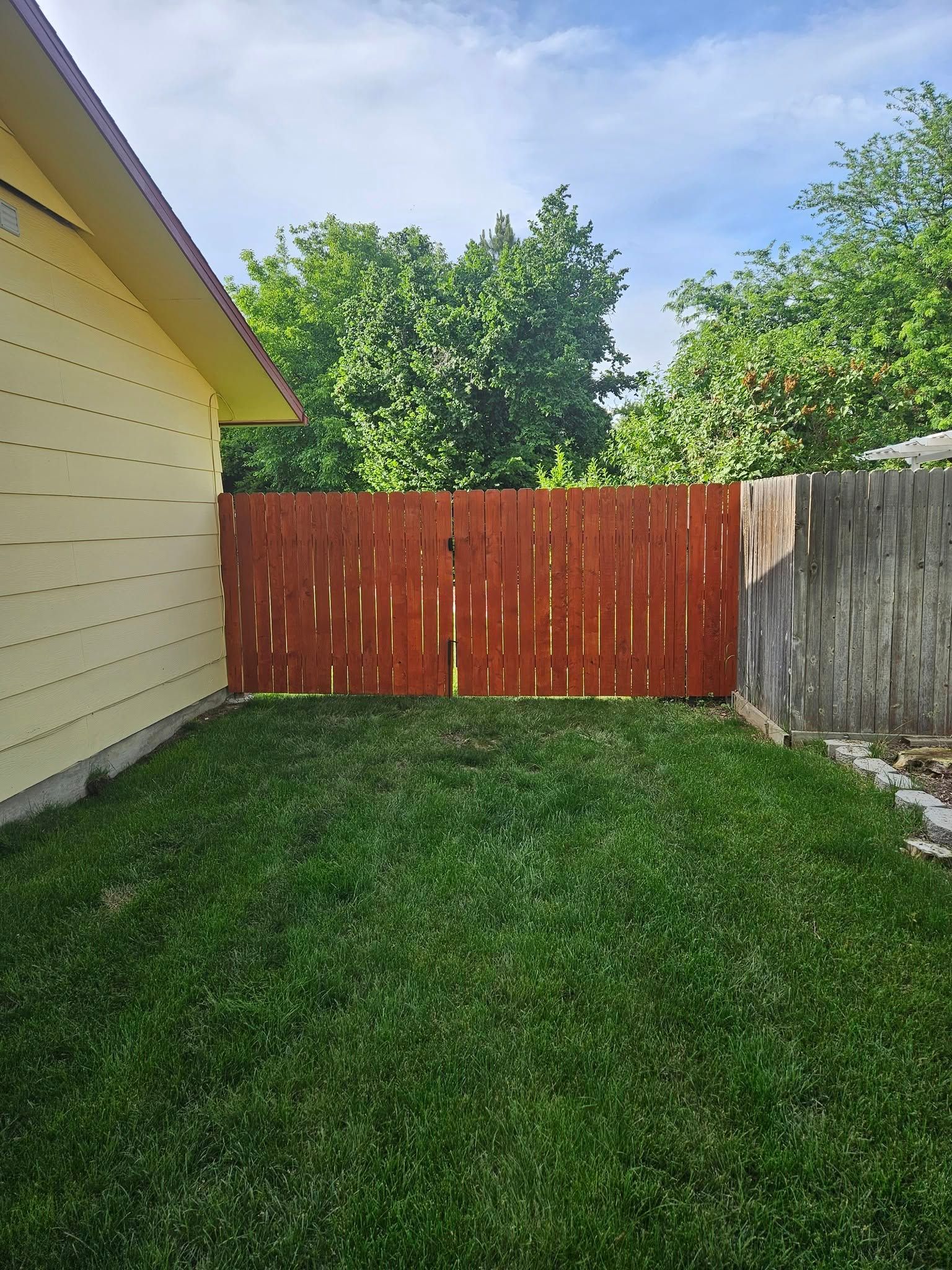
The Difference Between Adequate and Quality Finishes
Preparation consumes more time than actual painting but produces the difference between finishes that fail within two years and those that last a decade. Exterior surfaces need loose paint scraped away, wood rot repaired, and bare spots primed before topcoats go on. Cabinet painting requires thorough degreasing and sanding to ensure adhesion on previously finished surfaces, followed by multiple thin coats rather than one heavy application that leaves brush marks or sags.
After painting completes, you'll notice uniform color without streaks, lap marks, or visible brush strokes. Trim lines where wall color meets ceiling or baseboard color appear crisp and straight. Cabinet doors and drawers show smooth finishes without drips or texture inconsistencies. Exterior surfaces look even in color, and paint doesn't peel at edges or corners where moisture might infiltrate. The coverage extends into gaps and recesses, providing protection rather than just surface-level appearance.
Painting projects often include additional services like caulking gaps before paint application and sealing stained wood with clear topcoats that prevent water absorption. The service distinguishes between situations where primer is optional versus necessary, helping you understand which steps truly affect durability and which are judgment calls based on existing conditions.
What Property Owners Usually Ask
Questions about painting typically focus on preparation requirements, timing, and what affects how long finishes last under local conditions.
What happens during surface preparation before painting?
Preparation includes washing to remove contaminants, scraping loose or peeling paint, sanding to smooth rough spots and create texture for adhesion, filling holes and cracks with spackling or caulk, and priming bare or stained surfaces.
How does Boise's climate affect exterior paint longevity?
High summer UV exposure breaks down paint binders, causing fading and chalking. Winter freeze-thaw cycles stress finishes where moisture has penetrated. South and west-facing walls receive the most intense sun and typically need repainting more frequently than shaded elevations.
Why does cabinet painting require different products than wall painting?
Cabinets endure constant touching, grease exposure, and cleaning, requiring harder, more durable finishes than standard wall paint provides. Specialty cabinet paints or conversion varnishes offer the abrasion resistance and washability that kitchen and bathroom use demands.
When should staining be chosen over painting for exterior wood?
Staining works best when you want to highlight natural wood grain on surfaces like cedar siding, decks, or decorative trim. Stains penetrate wood fibers rather than forming a surface film, so they don't peel, but they require more frequent reapplication than paint to maintain protection.
What determines how many coats are necessary?
Coverage depends on color change intensity, surface porosity, and product quality. Dramatic color shifts from dark to light may require three coats, while similar-color updates often need just two. Primer coats help achieve coverage with fewer topcoats on challenging surfaces.
Jared The Handyman evaluates surface condition before quoting projects, since preparation requirements vary based on existing finish quality and substrate condition. Discuss your painting needs and timeline to plan work for your Boise home.